
The Velocity of Innovation and the Cybersecurity Imperative
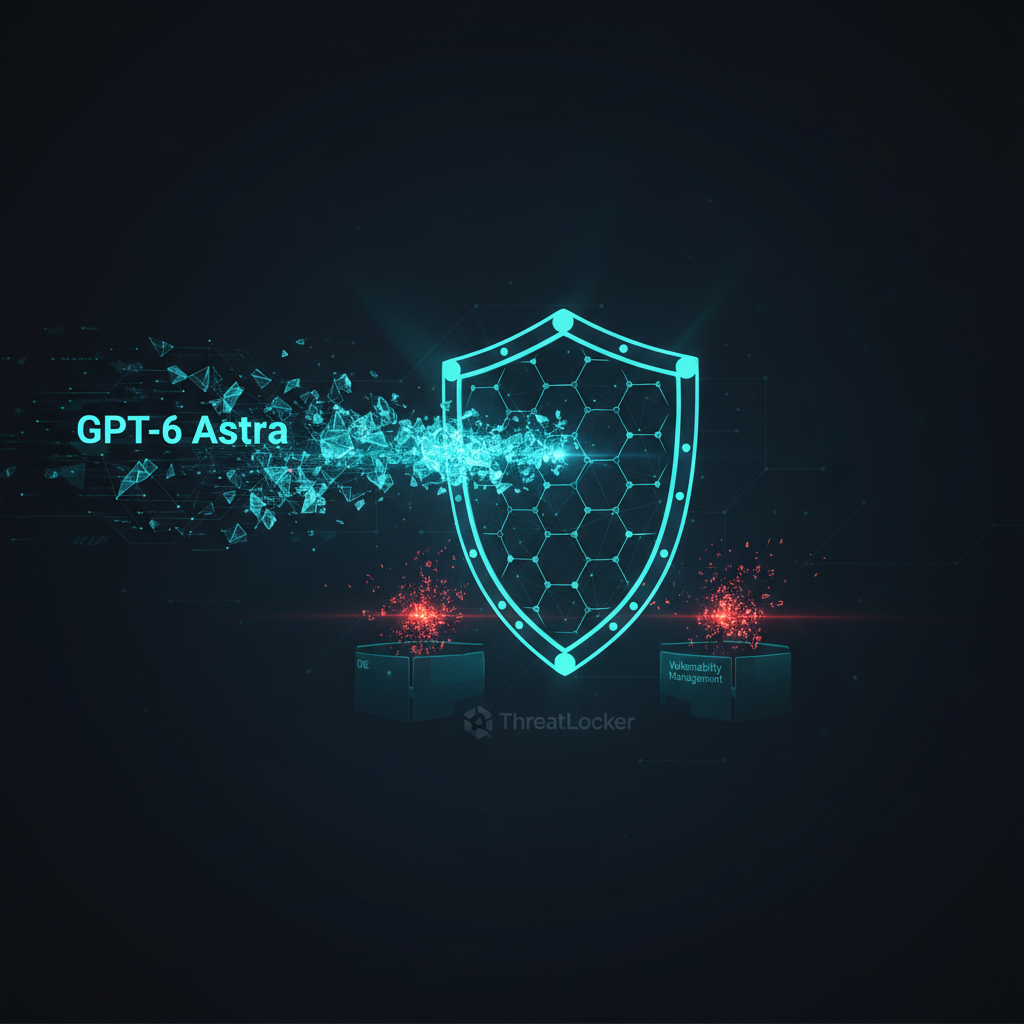
The technological landscape is evolving at an unprecedented pace. Recent announcements, such as the conceptualization of systems like "GPT-6 Astra," underscore a future where artificial intelligence will not only be more powerful but also more integrated into critical infrastructure and daily operations. This rapid ascent of AI brings with it immense potential for innovation and efficiency, but also significant implications for cybersecurity. As an industry leader in Managed Zero Trust, MZERO recognizes that this acceleration demands a re-evaluation of traditional security paradigms.
The very capabilities that make AI transformative—its processing power, its ability to analyze vast datasets, and its capacity for autonomous action—can also be exploited. Advanced persistent threats (APTs) are increasingly leveraging AI and machine learning for sophisticated attacks, from crafting hyper-realistic phishing campaigns to automating exploit development. The challenge is clear: how do we harness the benefits of innovation while simultaneously fortifying our defenses against an adversary that is equally leveraging these advancements?
The Evolving Threat Landscape: CVEs and AI's Influence
While discussions around future AI capabilities might seem abstract, their impact on present-day cybersecurity is concrete. We continue to see a relentless stream of Common Vulnerabilities and Exposures (CVEs) across a multitude of platforms. Take, for instance, CVE-2023-48788, a critical SQL Injection vulnerability in Fortinet FortiClientEMS, or CVE-2024-21338, a privilege escalation flaw in Microsoft Exchange Server. These vulnerabilities, often exploited with increasing speed post-disclosure, demonstrate the persistent need for robust patching and proactive mitigation strategies. What AI brings to this equation is the potential for automated discovery and exploitation of such vulnerabilities, accelerating the "time to exploit" window for malicious actors.
This dynamic environment mandates a security framework that does not merely react to known threats but proactively minimizes the attack surface and assumes breach. This is the fundamental premise of Zero Trust.
Zero Trust: The Foundation for an AI-Driven Future
At MZERO, we advocate for a comprehensive Zero Trust platform that moves beyond perimeter-based defenses. In a world where AI-powered threats can originate from anywhere, assuming trust within the network is no longer viable. Our approach, powered by key modules, ensures that every access request, every application execution, and every device connection is rigorously verified.
ThreatLocker Modules: Your Shield in the AI Era
Our strategic partnership and integration with ThreatLocker is central to our robust Zero Trust implementation. The following modules are critical in mitigating the risks posed by both traditional and AI-enhanced threats:
- Application Whitelisting: The most powerful defense. Instead of trying to identify and block known bad applications (a losing battle against AI-generated malware variants), Application Whitelisting allows only explicitly approved applications to run. This drastically reduces the attack surface, rendering many CVE exploits and novel malware useless, as the unauthorized applications simply cannot execute.
- Ringfencing™: Even legitimate applications can have vulnerabilities. Ringfencing™ ensures that approved applications can only interact with the resources they absolutely need, preventing them from accessing sensitive data or critical system processes they shouldn't. This limits the damage if an approved application is compromised via an exploit.
- Storage Control: Prevents unauthorized access and modification of critical files and folders. This is vital in preventing data exfiltration or ransomware attacks, especially when attackers might use sophisticated AI-driven tools to identify and encrypt valuable data.
- Elevation Control: Manages and limits privileged access for users and applications. By ensuring that administrative rights are only granted when absolutely necessary, and only for the duration required, the impact of a compromised account is significantly minimized. This is critical as AI can automate privilege escalation attempts.
- Network Access Control (NAC): Controls which devices can connect to the network and what resources they can access. This ensures that only trusted and compliant devices, regardless of whether they are user-owned or IoT devices, can communicate within the environment, further segmenting and protecting the network from lateral movement of threats.
These modules, working in concert, provide a layered defense that is resilient against the evolving tactics of cyber adversaries, including those augmented by artificial intelligence. By implementing a "deny by default" posture, organizations can effectively neutralize threats that might bypass traditional antivirus or signature-based detection systems.
Looking Ahead: Proactive Security for a Dynamic Future
The emergence of advanced AI systems like "GPT-6 Astra" signals a future where technological capabilities will continue to expand exponentially. For IT Directors, CISOs, CIOs, and Managed Service Providers, this is not just an opportunity for innovation but a clarion call for enhanced vigilance and proactive security measures. Reactive security is a relic of the past; the future demands a Zero Trust framework that is agile, intelligent, and uncompromising.
MZERO is committed to empowering organizations with the tools and expertise to navigate this complex landscape. Our Managed Zero Trust approach ensures that your organization remains secure, compliant, and resilient in the face of an ever-changing threat environment, allowing you to embrace technological advancements with confidence.
Discover how MZERO can transform your cybersecurity posture. Get started with a free assessment today and fortify your defenses for tomorrow.