
The Growing Curtain of Secrecy in AI Research
The artificial intelligence landscape is evolving at an unprecedented pace, with advancements promising transformative changes across industries. However, a noticeable trend has emerged among leading AI startups: a significant reduction in the public sharing of their research. Unlike the academic tradition of open collaboration and peer review that has long fueled scientific progress, many cutting-edge AI companies are now opting for heightened secrecy. This shift, driven by competitive pressures and the desire to protect intellectual property, presents unique challenges for organizations integrating these powerful, yet often opaque, AI technologies into their operations.
For cybersecurity professionals, particularly IT Directors, CISOs, and CIOs, this trend is a critical concern. The lack of transparency surrounding AI model architectures, training data, and potential vulnerabilities makes it inherently more difficult to assess and mitigate risks. When the inner workings of an AI system are a black box, understanding its potential attack surface, identifying biases, or predicting unforeseen behaviors becomes a formidable task.
The Intersection of AI Secrecy and Cybersecurity Risk
The implications of this opaque AI development are significant for an organization's security posture. Without clear insights into the foundational elements of AI models, traditional security assessments may fall short. Consider the following scenarios:
- Undisclosed Vulnerabilities: Proprietary AI models might harbor undiscovered exploits that, if left unaddressed, could be leveraged by malicious actors. Without public scrutiny, these vulnerabilities can persist longer.
- Supply Chain Risks: Integrating commercial AI solutions means incorporating code and data from external vendors. A lack of transparency from these vendors complicates due diligence and increases supply chain risk.
- Data Integrity Concerns: The efficacy and security of an AI system are intrinsically linked to its training data. If the origins and integrity of this data are obscured, organizations cannot fully trust the outputs or ensure compliance.
- Emergent Behaviors: Complex AI models can exhibit emergent behaviors that are difficult to predict. Without research transparency, understanding and preparing for these behaviors, especially if they pose security risks, is challenging.
At MZERO, we understand these emerging threats. Our mission at Managed Zero Trust is to provide the robust security frameworks necessary to navigate such complexities safely.
Zero Trust: The Imperative for Securing AI Environments
In an environment where AI development becomes increasingly proprietary, the principles of Zero Trust shift from being a best practice to an absolute necessity. Zero Trust operates on the fundamental assumption that no user, device, or application, whether internal or external, should be trusted by default. This philosophy is perfectly suited to counteract the risks posed by opaque AI systems.
Applying Zero Trust to AI Integration
Implementing a comprehensive Zero Trust strategy, such as that offered by the MZERO platform, can significantly enhance an organization's defense against the unknown variables introduced by proprietary AI:
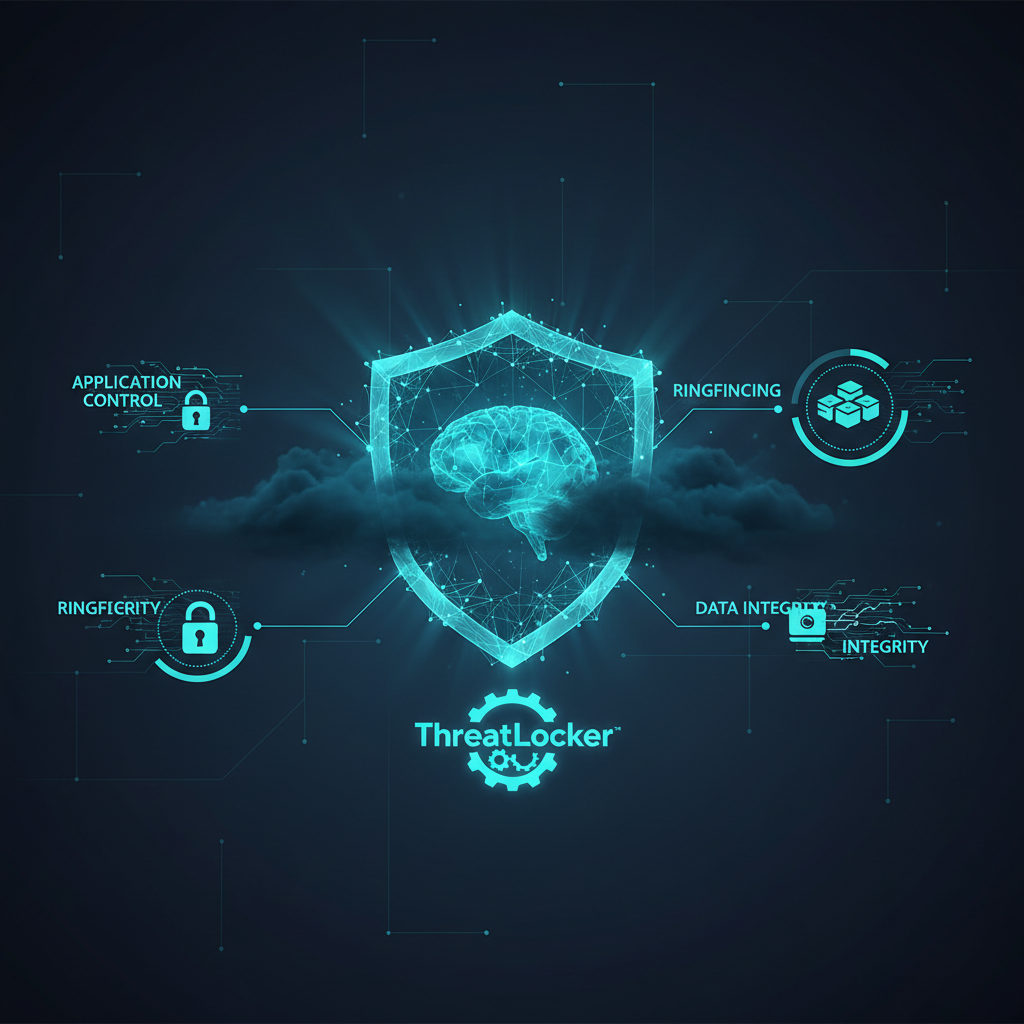
- Least Privilege Access: Ensure that AI models and the systems they interact with only have the minimum necessary access to resources. This can be enforced through granular controls provided by ThreatLocker's Application Control module, preventing unauthorized execution or data access even if an AI system is compromised.
- Continuous Verification: Every access request from an AI system or any component interacting with it must be authenticated and authorized. ThreatLocker's Ringfencing capability is crucial here, restricting what applications can do, even if they are legitimate, to prevent lateral movement or malicious actions.
- Microsegmentation: Isolate AI systems within their own network segments. This containment strategy limits the blast radius of a potential breach, ensuring that a compromised AI module cannot easily propagate threats to other critical systems.
- Endpoint Protection and Device Control: With AI often relying on significant computing resources, securing the endpoints and controlling peripheral access is paramount. ThreatLocker's Storage Control ensures that removable media and local storage interact securely with AI-powered applications, preventing data exfiltration or malware injection.
- Proactive Threat Detection and Response: Even with advanced AI models becoming more opaque, robust monitoring and immediate response capabilities remain vital. While the internal workings may be secret, their interactions and behaviors can still be observed for anomalies, leveraging tools like ThreatLocker's Elevation Control to prevent unauthorized privilege escalations.
Recent CVEs, such as those related to vulnerabilities in widely used machine learning frameworks or data processing libraries, underscore the constant need for vigilance. Whether the exploit originates from public code or a proprietary system, a Zero Trust approach ensures that even if a vulnerability is present, its impact is severely limited.
MZERO: Your Partner in a Secure AI Future
As the AI frontier expands, bringing both unprecedented opportunities and complex security challenges, organizations need a steadfast partner. MZERO is committed to empowering IT Directors, CISOs, and CIOs with the tools and expertise to confidently integrate AI into their operations without sacrificing security.
We provide a holistic managed Zero Trust security solution, built on leading technologies, to protect your digital assets against evolving threats – known and unknown. Don't let the secrecy of AI development compromise your security posture.
Ready to fortify your defenses against the complexities of modern AI integration? Schedule a free assessment with MZERO today to secure your future.