
The Escalating Threat of Ransomware and the Imperative for Containment
Ransomware continues to evolve, presenting an existential threat to organizations across all sectors. The sophistication of attack vectors, coupled with the speed of data encryption and exfiltration, means that traditional perimeter defenses are often insufficient. Once a single endpoint is compromised, ransomware often exploits internal network vulnerabilities to achieve lateral movement, escalating a localized incident into a catastrophic enterprise-wide breach. This reality underscores a critical need for robust containment strategies that can isolate threats before they cripple an organization.
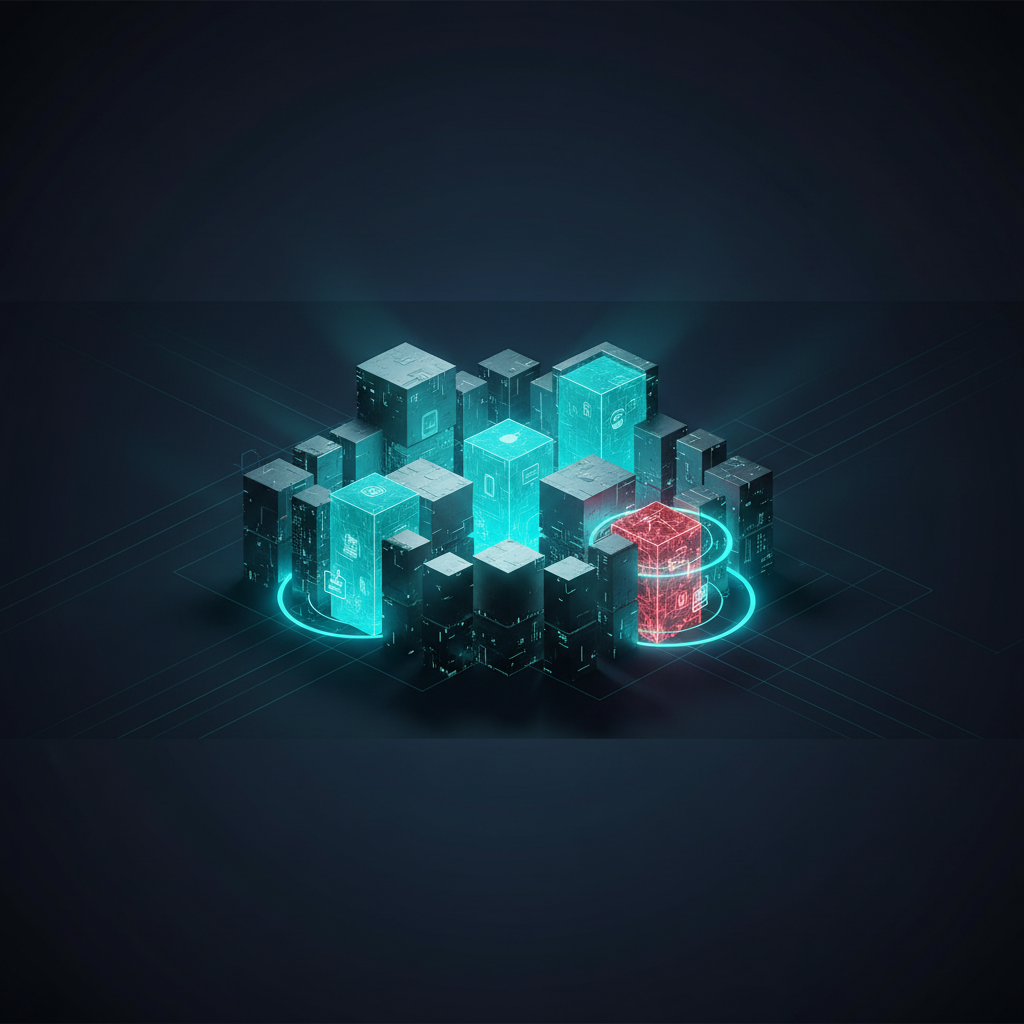
At MZERO, we advocate for a proactive, Zero Trust approach to cybersecurity, fundamentally shifting from implicit trust to explicit verification. A cornerstone of this philosophy, and arguably the most effective defense against the pervasive threat of ransomware, is granular network segmentation, often referred to as micro-segmentation. This strategy ensures that even if an initial compromise occurs, the blast radius is severely limited, preventing ransomware from spreading unchecked throughout the network.
Understanding Zero Trust and Micro-segmentation
The Managed Zero Trust framework operates on the principle of "never trust, always verify." It assumes that all users, devices, applications, and networks, whether internal or external, are untrustworthy until proven otherwise. Micro-segmentation takes this principle and applies it at a granular level, dividing the network into small, isolated zones. Each zone has its own security policies, dictating exactly what can communicate with it and under what conditions. This is a stark contrast to traditional perimeter security, which focuses on keeping external threats out but often leaves the internal network largely unprotected once breached.
How Micro-segmentation Thwarts Ransomware Lateral Movement
Imagine your network as a large office building. Traditional security might lock the main entrance, but once an intruder is inside, they can freely move between floors and offices. Micro-segmentation is like having a lock on every single office door and requiring specific credentials to access each room. If ransomware compromises one endpoint or server, its ability to "see" and "move to" other network resources is severely restricted.
- Reduced Attack Surface: By isolating critical assets and segmenting networks, organizations expose fewer targets to potential compromise.
- Containment of Breaches: Even if a threat actor gains a foothold, micro-segmentation prevents them from easily propagating throughout the network, limiting the impact to a small, isolated segment.
- Enhanced Visibility and Control: Granular policies offer precise control over network traffic, allowing security teams to monitor and detect unusual activity within segments more effectively.
- Faster Incident Response: With segmented networks, security teams can pinpoint the source of an attack quicker and isolate affected systems without disrupting the entire operation.
Leveraging ThreatLocker for Advanced Segmentation and Ransomware Protection
At MZERO, our platform leverages industry-leading technologies like ThreatLocker to implement sophisticated Zero Trust segmentation. ThreatLocker's suite of modules provides unparalleled control and visibility, acting as a powerful deterrent and containment mechanism against ransomware:
- Application Whitelisting: ThreatLocker's Application Whitelisting module is foundational. By only allowing approved applications to execute, it pre-emptively blocks malicious executables, including ransomware, from running on endpoints and servers. This is a crucial first line of defense.
- Ringfencing™: This advanced module takes application control a step further by restricting what legitimate applications can do. Even if a whitelisted application is somehow exploited, Ringfencing™ prevents it from accessing unauthorized network resources, contacting external servers, or encrypting files outside its designated scope. This directly addresses the lateral movement tactics of ransomware.
- Elevation Control: Many ransomware strains require elevated privileges to execute their malicious payloads. ThreatLocker's Elevation Control ensures that only authorized processes can gain administrative rights, preventing unauthorized privilege escalation key to many ransomware attacks.
- Storage Control: This module enhances data protection by controlling access to local and network storage. It can prevent unauthorized applications from modifying or encrypting files on critical drives and shares, directly mitigating the impact of ransomware.
ThreatLocker in Action: Addressing Recent CVEs
The threat landscape is constantly evolving, with new Common Vulnerabilities and Exposures (CVEs) emerging regularly. For example, recent exploits targeting critical vulnerabilities in widely used software – such as those in popular collaboration tools or operating systems – often pave the way for ransomware deployment. While patching these vulnerabilities is paramount, ThreatLocker's modules provide an essential layer of defense even before patches are deployed or if they are missed.
Consider a scenario where a new CVE allows for remote code execution. ThreatLocker's Application Whitelisting would prevent the malicious executable from running in the first place. If an attacker bypasses this, Ringfencing™ would severely limit what that unauthorized process could do, preventing it from accessing network shares to spread ransomware or exfiltrate data. This proactive, "assume breach" mentality, powered by granular controls, is what makes Zero Trust segmentation with ThreatLocker so effective.
Building a Resilient Ransomware Defense with MZERO
Implementing Zero Trust segmentation isn't just about deploying technology; it's about adopting a strategic, security-first mindset. At MZERO, we work with organizations to design and implement a tailored Zero Trust architecture that integrates seamlessly with your existing infrastructure, providing comprehensive protection against ransomware and other advanced threats.
Our expertise in deploying and managing advanced solutions like ThreatLocker ensures that your organization can effectively:
- Minimize the attack surface.
- Contain breaches to prevent widespread damage.
- Improve overall security posture and compliance.
- Enhance incident response capabilities.
Don't wait for the next ransomware attack to expose the vulnerabilities in your network. Strengthen your defenses with a robust Zero Trust framework and granular segmentation. Schedule a free assessment with MZERO today to understand how our Managed Zero Trust services can protect your critical assets.